

17 Impactful Employee Benefits Worth Every Penny
Most employers know that offering the right benefits can make all the difference in attracting and retaining top talent. In this post, you’ll discover 17 impactful employee benefits that deliver real value to your workforce and investment returns to your company. By aligning your benefits strategy with your employees’ needs, you can foster greater engagement, satisfaction, and loyalty. Whether you’re updating your current offerings or building a new benefits package, understanding these key options will help you make informed decisions that support both your employees and your business goals.
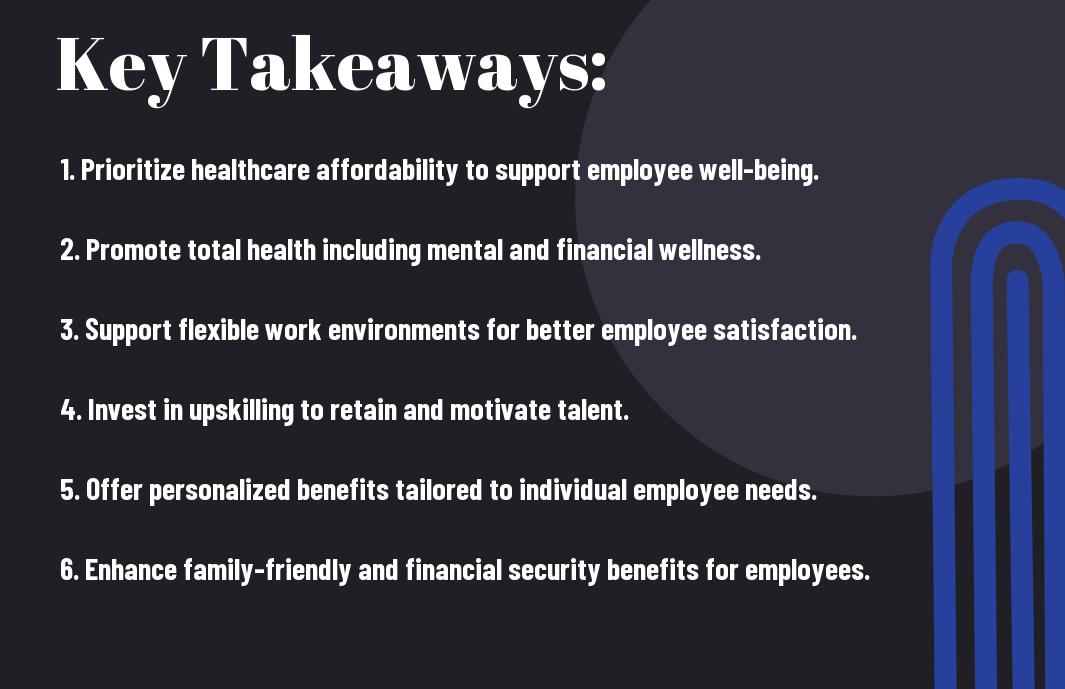
Key Takeaways:
- Offering a variety of employee benefits tailored to different needs enhances retention and attracts top talent in a competitive job market.
- Investing in healthcare affordability through virtual care options and wellness programs supports employees’ physical and mental well-being.
- Flexible work arrangements, including remote and hybrid models, improve employee satisfaction and productivity by accommodating diverse work styles.
- Providing opportunities for upskilling and professional development encourages employee growth and strengthens organizational success.
- Incorporating financial security benefits and family-friendly options helps reduce stress and supports employees’ overall quality of life.

The Cost-Benefit Reality of Employee Perks
Offering a robust suite of employee benefits goes beyond just incurring expenses; it involves careful consideration of the tangible and intangible returns you gain for your investment. Many organizations find that the upfront costs of perks like mental health programs, flexible work arrangements, or upskilling opportunities are offset by reduced turnover and higher productivity. For instance, companies that implemented teletherapy and virtual counseling noticed a 30% drop in absenteeism related to mental health issues, directly impacting their bottom line by minimizing lost workdays.
Balancing these investments requires you to weigh short-term expenditures against long-term workforce stability and engagement. Some perks may not have an immediate visible impact but contribute significantly to employee morale, which, in turn, fosters loyalty and better performance outcomes. A strategic benefits approach often leads to greater employee satisfaction scores and improved retention rates, saving the costs associated with recruitment and training new hires over time.
Analyzing Return on Investment in Employee Benefits
Measuring the ROI of employee benefits demands a combination of quantitative metrics and qualitative feedback. You can track reductions in healthcare claims, turnover percentages, and productivity metrics alongside employee surveys and engagement scores. When you introduce personalized benefits, for example, enrollment rates and utilization data can reveal which perks resonate most with your workforce, guiding future investments to areas with the highest impact.
Companies leveraging advanced analytics to assess benefits usage often uncover insights that help fine-tune offerings. In one case, a firm that expanded financial wellness programs saw a 20% improvement in employee stress indicators, paired with a measurable increase in participation in retirement planning. This alignment of benefits with actual employee needs highlights the value of proactive assessment and data-driven decision-making in optimizing your benefits portfolio.
The Long-Term Impact of Employee Satisfaction
Employee satisfaction plays a fundamental role in shaping a resilient and motivated workforce. Sustained satisfaction translates into lower turnover, greater discretionary effort, and enhanced workplace culture. Firms with high satisfaction scores usually experience a 25% lower turnover rate compared to industry averages, reducing hiring costs and preserving institutional knowledge. Investment in mental, physical, and financial well-being benefits contributes significantly to these outcomes.
Beyond retention, satisfied employees tend to be brand ambassadors, improving your reputation and attracting top talent. Their higher engagement levels frequently correlate with increased innovation and faster problem-solving, which can propel your company ahead of competitors. This long-term perspective on satisfaction underscores why investing in comprehensive benefits is more than an expense—it’s a strategic asset for growth.
Delving deeper, companies that consistently prioritize employee satisfaction show elevated productivity metrics, often exceeding industry benchmarks. This can be traced back to the holistic benefits approaches discussed earlier; when employees feel supported across multiple dimensions of health and life balance, their ability to contribute meaningfully intensifies. Such organizations also report stronger alignment with corporate goals, reinforcing the cycle of success fueled by intentional benefits strategy.

Affordable Healthcare Solutions: A Game Changer
Healthcare costs continue to skyrocket, making affordability a top concern for both employers and employees. By integrating affordable healthcare solutions into your benefits package, you can directly impact employee satisfaction and retention. Offering options that reduce out-of-pocket expenses, such as tiered health plans or employer-subsidized premiums, ensures employees receive the care they need without financial strain. This approach not only alleviates immediate burdens but also reduces long-term costs by encouraging timely treatment and minimizing chronic illness progression.
Strategically designed benefits that focus on affordability demonstrate your commitment to employee well-being beyond salary increases. In competitive markets, healthcare affordability often becomes a decisive factor for candidates weighing job offers, while current employees value these benefits as a tangible sign of how much you value their health and productivity. Embedding these affordable options into your total rewards strategy can play a vital role in creating a resilient, engaged workforce prepared for future challenges.
Innovations in Telemedicine and Remote Care
Advancements in telemedicine have transformed how employees access healthcare, removing barriers associated with traditional in-person visits. By offering virtual care options as part of your benefits, you provide employees with convenient, flexible access to providers, especially important for those balancing demanding schedules or living in underserved areas. Telemedicine consultations can cover a wide range of needs—from urgent care for minor illnesses to chronic condition management—often at a fraction of the cost of emergency room visits.
Remote care also enables routine follow-ups and behavioral health sessions without the typical logistical hassles, increasing overall utilization and timely intervention. Employers leveraging telehealth platforms have reported up to a 20% reduction in healthcare spending and significant improvements in employee satisfaction. Investing in these innovations aligns your benefits offering with modern healthcare consumption patterns, making care more accessible, affordable, and efficient for your entire workforce.
Preventative Health Measures: Investing in Well-being
Emphasizing preventative health is pivotal to controlling costs and fostering long-term employee wellness. Wellness incentives, on-site health screenings, and immunization programs can encourage proactive health management. By supporting initiatives like biometric assessments and health risk appraisals, you equip employees to identify potential issues early and take actionable steps toward healthier lifestyles.
Incentivizing preventive behaviors through tailored programs that reward physical activity, nutrition improvements, or smoking cessation enhances participation rates and reinforces a culture of health within your company. The cost savings from reduced chronic disease incidence and fewer acute care visits translate into measurable ROI while nurturing a vibrant workforce. These measures can also lower absenteeism and presenteeism, directly improving productivity.
Adding layers of support such as personalized health coaching and integrating preventive care reminders through digital platforms can further deepen engagement. These tools help employees navigate their health journeys with clear guidance and tailored encouragement, ultimately cementing preventative health as a cornerstone of your benefits strategy.
Holistic Health Programs: Beyond Basic Coverage
Your workforce benefits most when health programs extend beyond traditional medical coverage to encompass a more comprehensive approach. Holistic health plans often combine physical care, mental health support, and financial wellness resources, thus addressing the full spectrum of employee needs. For example, including services such as teletherapy sessions alongside gym membership subsidies or smoking cessation programs can encourage healthier lifestyles that further reduce healthcare costs over time. Employers offering integrated wellness platforms often see increased engagement in preventive health activities, which can lower absenteeism and boost overall productivity.
Organizations that incorporate technology to streamline access to these services give employees the flexibility to interact with benefits in ways that fit their personal routines. Apps that track fitness progress, provide mindfulness tools, or offer budgeting assistance help employees manage multiple aspects of their wellbeing without added complexity. This seamless experience not only promotes usage of available resources but also fosters an environment where employees feel genuinely supported in managing their health holistically.
The Interplay of Physical, Mental, and Financial Wellness
The connections between physical health, mental well-being, and financial security are deeply intertwined and mutually impactful. For instance, chronic physical conditions such as diabetes or heart disease often correlate with elevated rates of depression and anxiety, complicating treatment and recovery. Financial stress can exacerbate both mental and physical health issues, leading to a cycle that diminishes employee engagement and increases medical costs. By recognizing these overlapping challenges, you can design benefits that address root causes, such as offering financial counseling alongside mental health resources and preventive care.
Studies show that employers who provide combined wellness initiatives see measurable improvements in employee morale and retention. Over half of organizations surveyed emphasize programs supporting physical, mental, and financial health, understanding that investment in total wellness enhances resilience across all areas. Offering services like teletherapy, financial education workshops, and incentives for healthy behaviors creates a safety net that helps employees maintain balance, even in high-stress work environments.
Tailoring Health Programs to Employee Needs
One-size-fits-all health programs rarely meet the diverse needs of a modern workforce. Customizing health benefits based on employee demographics, roles, and feedback can significantly improve participation and satisfaction. For example, younger employees may prioritize mental health resources and fitness incentives, while those with families might value comprehensive pediatric care or eldercare support. Gathering data through employee surveys and claims analysis allows you to align offerings with actual needs, which can increase perceived value and reduce benefit waste.
Incorporating flexibility within your health programs—such as voluntary wellness perks or tiered insurance options—enables employees to choose what works best for their situation. Communication strategies that clearly illustrate these choices and their benefits help employees navigate their options. This approach not only empowers your team but also fosters a sense of partnership between you as an employer and your workforce.
Regularly revisiting and adjusting health offerings based on evolving employee needs and emerging trends ensures your program remains relevant. For instance, as remote work persists, benefits addressing home-based ergonomics or mental health check-ins may become more important. Leveraging technology to monitor usage patterns and solicit continuous feedback helps you anticipate shifts and act proactively, demonstrating your commitment to employee well-being beyond basic coverage.
Enhancing Work-Life Balance with Flexible Arrangements
Offering flexible work arrangements allows employees to better manage their personal and professional responsibilities, a balance that has become a top priority for the modern workforce. Forty percent of employers are already prioritizing flexible schedules, recognizing how such options reduce burnout and increase job satisfaction. You can implement core hours combined with flexible start and end times, or even incorporate compressed workweeks, which have been shown to boost productivity by up to 25% in some organizations. This flexibility empowers your team to carve out time for family, hobbies, or self-care without sacrificing work performance.
Beyond just scheduling, consider policies that accommodate life’s unpredictability, such as paid time off for caregiving or mental health days. When employees sense that you genuinely respect their need for balance, loyalty and engagement tend to rise. Companies that have shifted toward results-oriented cultures—where output matters more than hours logged—report stronger retention rates and improved morale. Integrating these flexible arrangements seamlessly into your existing benefits signals a forward-thinking approach that meets evolving employee expectations.
Designing Hybrid Workspaces for Maximum Productivity
Hybrid work models require intentional workspace design to maximize employee performance whether they’re onsite or remote. Your physical office should facilitate collaboration without imposing rigid attendance rules. For example, creating dedicated zones like quiet areas for focused tasks and open spaces for brainstorming helps employees transition smoothly between different work modes. Leveraging hoteling systems or desk booking apps can optimize space usage and ensure that those arriving onsite have the tools and environment tailored to their day’s priorities.
Equipping your offices with advanced videoconferencing technology minimizes communication barriers between remote and onsite workers. Companies investing in high-quality audio and visual equipment report a 30% increase in meeting efficiency and employee participation. Also, incorporating natural light and ergonomic furnishings supports employee well-being, while intuitive layouts reduce time spent navigating or setting up. Thoughtful hybrid workspace planning ultimately encourages seamless collaboration and fosters a culture of inclusivity where every employee feels connected, no matter their location.
Tools and Resources that Foster Flexible Work Environments
Cloud-based collaboration platforms such as Microsoft Teams, Slack, and Asana form the backbone of effective flexible work environments. These tools enable real-time communication, project tracking, and document sharing, keeping dispersed teams aligned and productive. Integrations with calendar apps and video conferencing software streamline workflows, helping employees stay on top of deadlines and meetings without feeling overwhelmed.
Virtual private networks (VPNs) and robust cybersecurity solutions ensure secure access to company resources, a priority as hybrid and remote work increase. Additionally, digital wellbeing apps that prompt regular breaks, facilitate mental health check-ins, or provide mindfulness exercises can play an important role in sustaining workforce wellness. Providing employees with hardware stipends or reimbursing home office expenses equips them to create comfortable, personalized workspaces, reducing friction and enhancing focus.
Investing in ongoing training on these tools ensures your workforce can leverage their capabilities fully and adapt to evolving technologies. Supporting your employees with accessible tech support and user-friendly resources fosters confidence and smooth transitions across varied work settings.
Empowering Employees through Continuous Learning
Providing opportunities for ongoing education and skill development transforms your workforce into a dynamic, adaptable asset. Continuous learning programs signal to your employees that their growth matters beyond day-to-day tasks, which can enhance engagement and loyalty. Organizations that invest in these initiatives often see a direct impact on innovation and productivity, as employees come equipped with fresh ideas and updated competencies that keep pace with industry changes. Supporting access to workshops, certifications, and e-learning platforms creates a culture where learning becomes part of the work rhythm, not an occasional perk.
Embedding continuous learning into your benefits portfolio also helps address skill shortages and prepares your team for future challenges. This approach aligns your employee development with evolving business goals, fostering a more resilient organization. When your employees see clear opportunities to expand their expertise, they’re more likely to view their roles as long-term careers rather than temporary jobs, which supports retention and reduces turnover costs.
The Importance of Upskilling and Reskilling
With rapid technological advancements and shifting market demands, upskilling and reskilling stand out as strategic investments for your workforce. About 54% of employees reported wanting opportunities to develop new skills, making these programs imperative to meet their expectations. Upskilling focuses on enhancing current skills, while reskilling prepares employees for entirely new roles, allowing your organization to adapt without relying solely on external hires. Offering access to digital courses, on-the-job training, and mentorship programs equips your employees to take on emerging responsibilities and retain relevance in a competitive landscape.
These efforts translate into measurable business benefits, such as improved productivity and reduced skill gaps. A company that embraced reskilling initiatives reported a 34% increase in internal mobility, promoting more career transitions from within rather than external recruitment. When you champion upskilling and reskilling, you not only future-proof your workforce but also demonstrate a commitment to supporting employees’ career trajectories, which can significantly boost morale and performance.
Creating Pathways for Career Advancement
Designing clear career pathways gives your employees visibility into how they can grow within the organization, reducing uncertainty about their future roles. Structured promotion tracks, competency milestones, and personalized development plans allow employees to understand the skills and achievements required for advancement. By integrating these frameworks into your talent management processes, you encourage goal-focused learning and sustained motivation. This clarity helps managers provide targeted feedback and support, which enhances employee satisfaction and retention.
Providing formalized career progression opportunities also aligns with what Gen Z workers prioritize—growth and professional development. In fact, organizations that clearly communicate career pathways report up to 50% higher employee engagement scores. You can strengthen these pathways by coupling development efforts with succession planning and mentoring programs, ensuring your workforce has multiple avenues to thrive and progress.
Expanding on career pathway programs, consider incorporating transparent job ladders that define necessary experiences, skills, and timelines for promotion. Offering cross-departmental projects and rotational assignments exposes employees to diverse aspects of the business, broadening their expertise and readiness for leadership roles. Regular career discussions between employees and managers foster alignment on aspirations and actionable steps, making advancement a tangible and attainable goal rather than an ambiguous concept.

Customizable Benefits: The Future of Employee Satisfaction
The trend toward customizable benefits reflects an evolving workforce that values choice and flexibility over generic offerings. By allowing employees to select benefits that match their individual needs—be it health care options, wellness programs, or financial planning tools—you embrace the diversity of your team’s priorities and life circumstances. Companies adopting customizable plans report higher employee satisfaction and greater participation rates, which can translate into improved retention and overall morale. For instance, organizations using digital platforms to administer benefits have seen enrollment increases of up to 30%, as employees feel more empowered to build packages that resonate personally.
Offering customization also positions you competitively in attracting top talent. Employees today often weigh benefits as heavily as salary. When you provide benefits that acknowledge different life stages, family situations, or professional goals, you send a strong message: the company values individuality and supports varied well-being dimensions. This adaptability encourages ongoing engagement and loyalty, reducing turnover costs down the line and fostering a workforce that’s both diverse and dynamically aligned with your organizational goals.
The Role of Personalization in Benefits Enrollment
Personalization plays a pivotal role in benefits enrollment by transforming a traditionally cumbersome process into an intuitive, employee-centric experience. Instead of a one-size-fits-all approach, you can leverage data-driven insights from surveys and enrollment analytics to design benefit options that resonate with your workforce’s distinct preferences. This targeted approach helps clarify the value and relevance of each offering, reducing confusion and decisional inertia that often depress participation rates.
Integrating digital tools that guide employees through personalized recommendations based on their demographics, health profiles, and lifestyle choices further streamlines enrollment. For example, platforms using AI-driven suggestions can highlight mental health benefits to younger employees or emphasize retirement planning for those nearing career milestones. This nuanced alignment encourages smarter selections, maximizing both employee satisfaction and your investment return.
Engaging Employees with Tailored Benefit Options
Engagement with tailored benefits hinges on creating a seamless and transparent communication strategy that makes the available options clear and accessible. You can increase interest by combining educational campaigns with interactive tools that allow employees to model different benefit scenarios, illustrating out-of-pocket costs and potential savings. For example, an employee using such a tool might discover that enrolling in a telehealth program reduces their annual medical expenses by 15%, making the benefits personally tangible.
Enabling benefits customization also requires keeping the dialogue open beyond enrollment periods. Regular check-ins, feedback loops, and adaptive offerings ensure your benefits remain relevant as employees’ needs evolve. Companies that facilitate ongoing engagement with their benefits programs report a 20% reduction in disengagement-related turnover. Additionally, providing options like voluntary benefits or reimbursement plans for remote work expenses demonstrates attentiveness to changing work environments and can spark further participation.
By continuously fostering an interactive benefits experience, you empower employees not just to select, but to genuinely value and utilize their benefits. This active engagement nurtures a culture where benefits contribute directly to personal and professional satisfaction, strengthening your employer brand and building long-term loyalty.
Supporting Families: Benefits for Every Stage of Life
Providing support that spans the entire lifecycle of your employees helps create a more engaged and loyal workforce. Benefits tailored not only to new parents but also to employees caring for aging relatives or managing other family responsibilities demonstrate a genuine investment in their well-being. From paid parental leave that exceeds basic legal requirements to eldercare assistance programs, such offerings reduce stress and help employees balance work with personal demands. In turn, this balance often leads to increased productivity and reduced absenteeism.
Incorporating resources such as flexible scheduling, backup childcare services, and access to counseling can address challenges at multiple family stages. You might consider partnerships with local childcare providers or subsidies for enrichment programs, easing the financial strain working parents often face. For employees managing less visible but equally taxing responsibilities, like eldercare, providing access to care coordination services or referral networks can make a significant impact on their ability to stay focused at work.
Expanding Family-Centric Benefits beyond Compliance
Moving beyond minimum legal standards for family-related benefits sends a strong message about your organization’s values. Offering paid family leave that surpasses statutory requirements helps retain valuable talent and positions your company as a leader in employee care. Similarly, expanding health insurance to cover fertility treatments, adoption assistance, or mental health support for family members addresses needs often overlooked yet deeply felt.
Employers who introduce benefits such as flexible return-to-work programs after parental leave or phased retirement options encourage smoother transitions and greater employee satisfaction. Companies embracing these approaches report higher retention rates among employees balancing caregiving roles, reducing costly turnover. You can also enhance support by providing financial literacy workshops focused on family budgeting or college savings plans, aligning benefits with broader life goals.
Addressing the Challenges of Working Parents
The dual demands of full-time work and parental responsibilities create pressure points that can lead to burnout and decreased engagement. Offering onsite childcare or subsidies for quality daycare reduces logistical stress and allows parents to maintain focus during working hours. In addition, flexible work arrangements like remote options or adjustable hours empower parents to attend to their children’s needs without sacrificing productivity.
Programs that include parental coaching, peer support groups, or access to family counseling services can address the emotional challenges working parents face. Employers providing these resources often see improvements in employee morale and reductions in unplanned absences. Clear communication about available benefits and creating a culture that normalizes seeking help fosters an environment where parents feel supported rather than stretched thin.
Understanding the unique pressures on working parents, you can implement initiatives that accommodate varying schedules, such as compressed workweeks or job-sharing arrangements. Technology platforms that facilitate easy benefits navigation and real-time assistance help parents customize support to fit their individual situations. These measures collectively improve work-life integration for parents and contribute to a healthier workplace culture.
Building Financial Security: Retirement and Beyond
Offering benefits that build long-term financial security continues to rise in importance as economic uncertainties linger and employees seek stability beyond their regular paychecks. Retirement plans remain a cornerstone, but your approach should evolve to meet changing workforce expectations. Many employees now expect more flexibility and education around retirement savings, not just access. Providing tools like financial planning resources, employer matches on contributions, and options for automatic escalation of savings can significantly boost participation and help your workforce prepare for a more secure future.
Beyond retirement, consider how your benefits can alleviate current financial pressures that interfere with employee wellbeing and productivity. Integrating financial wellness programs that support budgeting, emergency savings, and debt management signals your investment in employees’ overall financial health. When you prioritize comprehensive financial security benefits, you help reduce workplace stress and increase focus and morale, creating a workforce better equipped for both today’s challenges and tomorrow’s opportunities.
Innovations in Retirement Savings Plans
The landscape of retirement savings plans is rapidly shifting to accommodate the diverse needs of modern employees. Traditional 401(k) plans are increasingly supplemented with features like Roth options, which offer tax-free growth, and after-tax contributions that provide greater flexibility during retirement. You can also explore automatic enrollment and auto-increase features that nudge employees toward higher savings without requiring active decisions. These mechanisms have been shown to increase participation rates significantly, with some studies finding auto-enroll boosted participation from 65% to over 85%.
Some employers are adopting more creative retirement solutions such as pooled employer plans (PEPs) which reduce administrative burdens and costs, making high-quality retirement savings more accessible for small and medium businesses. Offering access to financial wellness platforms integrated with retirement plans allows employees to simulate their retirement readiness and tailor contribution levels. By embracing these innovations, you position your retirement benefits as competitive and highly relevant to your workforce’s evolving priorities.
Employee Debt Relief: A Growing Necessity
Rising debt levels, including student loans, credit cards, and medical expenses, weigh heavily on many employees, often overshadowing other financial goals like saving for retirement. Addressing this burden directly within your benefits package can differentiate your organization and foster loyalty. Programs that provide student loan repayment assistance are gaining traction, with employers offering monthly matching contributions toward employees’ loan payments. This benefit not only eases a significant financial strain but also appeals strongly to younger workers, particularly Gen Z and millennials, who are balancing debt with other financial responsibilities.
Credit counseling, debt consolidation support, and partnerships with financial institutions offering favorable terms can further extend your company’s role in helping employees regain financial footing. By integrating debt relief options with broader financial wellness initiatives, you empower your employees to tackle immediate financial hurdles, enhancing their ability to focus fully on their work and long-term financial planning.
Recent surveys indicate that nearly 60% of employees would value debt assistance programs, highlighting a growing expectation for employers to act as partners in financial health. Facilitating access to expert advice and educational resources about managing debt underscores your commitment to meaningful benefits that impact daily life. Offering such support can reduce absenteeism and turnover linked to financial stress, ultimately strengthening your organization’s stability and reputation as an employer of choice.
The Crucial Role of Diversity, Equity, and Inclusion
Diversity, equity, and inclusion (DEI) initiatives are reshaping employee benefits by fostering workplace environments that value varied perspectives and equitable opportunities. Organizations that actively embrace DEI not only enhance creativity and innovation but also improve employee engagement and loyalty. Your workforce increasingly expects policies and culture that reflect these values, making DEI a compelling factor in attraction and retention strategies. Companies prioritizing DEI empower employees by creating safe spaces for open dialogue, supporting underrepresented groups, and offering equitable career advancement opportunities that reflect individual talents rather than demographic generalizations.
Beyond ethical imperatives, the business case for DEI is clear: diverse teams consistently outperform homogeneous ones in problem-solving and adaptability. A 2023 McKinsey report found organizations with diverse executive teams were 36% more likely to outperform on profitability. Investing in DEI translates into tangible benefits for your company’s bottom line and employee satisfaction. Aligning benefits programs with these principles signals your commitment to an inclusive culture, which resonates particularly with younger generations such as Gen Z and millennials, who prioritize belonging and fairness in their career choices.
Strategies for Cultivating an Inclusive Workplace
Integrating DEI into your benefits requires a multi-faceted approach that combines policy, training, and employee resource groups (ERGs). Offering mentorship programs targeted at underrepresented groups encourages professional growth and helps bridge opportunity gaps within your organization. Likewise, incorporating unconscious bias training into leadership development fosters awareness and behavioral change that permeates workplace interactions. You might also consider expanding your benefits to include support for diverse family structures, gender affirmation services, and religious observance accommodations, ensuring that your offerings reflect the varied needs of your employees.
Another strategy involves embedding DEI principles into recruitment and performance review processes. By standardizing inclusive language in job descriptions and establishing diverse hiring panels, you promote equitable candidate consideration. Similarly, calibrating performance evaluations to minimize subjective bias helps maintain fairness and clarity in promotions and raises. Technology platforms can assist here by providing anonymized feedback and data-driven insights. Engaging employees through regular feedback channels allows you to adapt initiatives responsively, fostering a culture of inclusion that evolves alongside your team’s needs.
Measuring the Impact of DEI Initiatives on Retention
Tracking retention metrics disaggregated by demographics offers a clear view of how DEI efforts influence employee longevity. Comparing turnover rates among different groups helps identify whether your initiatives are addressing inequities effectively. For example, a significant drop in attrition among underrepresented employees after launching mentorship programs may indicate successful engagement. Pulse surveys focused on inclusion perceptions provide qualitative data that complement hard numbers, illuminating areas requiring further attention. These insights allow you to refine benefits and workplace policies to better support diverse talent.
Retention improvements stemming from DEI often correlate with elevated employee satisfaction and trust in leadership. When employees feel seen and valued, their motivation and commitment increase, reducing costly turnover. Some companies have reported as much as a 25% increase in retention within minority talent pools after instituting comprehensive DEI programs tied to benefits enhancements. Incorporating these measurements into your broader HR analytics ensures that DEI remains an integral, measurable component of your talent management strategy.
Expanding the scope of DEI measurement beyond retention to include promotion rates, compensation equity, and employee engagement scores provides a fuller picture of your inclusive culture’s health. Data-driven approaches empower you to make adjustments that ensure continuous progress, aligning benefits with the evolving expectations of your workforce.
Final Words
Upon reflecting on the 17 impactful employee benefits worth every penny, it becomes clear that investing in your workforce goes beyond just compensation. By thoughtfully selecting and implementing benefits that align with your employees’ diverse needs and preferences, you create an environment where they feel valued, motivated, and supported. This strategic approach not only enhances retention but also drives productivity and loyalty, positioning your business for sustained success in a competitive talent market.
As you move forward, keep in mind that tailoring your benefits offerings with a combination of health, financial, professional, and family-focused options can make a meaningful difference in how your employees experience their workplace. Embracing this comprehensive benefits mindset allows you to foster a resilient and engaged workforce that is prepared to meet current challenges and future opportunities with confidence.
FAQ
Q: What types of employee benefits are considered most impactful for improving retention?
A: Benefits that address employees’ holistic needs tend to have the greatest impact on retention. These include comprehensive healthcare options, mental health support, flexible work arrangements, professional development opportunities, and personalized benefit packages that cater to individual preferences.
Q: How can offering personalized benefits enhance employee satisfaction?
A: Personalized benefits allow employees to select options that best fit their unique circumstances, such as voluntary benefits or flexible spending accounts. This customization leads to higher engagement, greater appreciation for the employer’s efforts, and increased participation in benefit programs.
Q: Why is supporting mental and financial well-being important in employee benefits?
A: Mental and financial wellness are deeply connected to overall employee performance and satisfaction. Providing resources like teletherapy, financial planning assistance, and debt payoff programs helps reduce stress and improve focus, contributing to a healthier and more productive work environment.
Q: What role does professional development play in employee benefits strategies?
A: Professional development opportunities such as upskilling, reskilling, and career pathway planning foster employee growth and engagement. Employees who see a clear future within an organization are more likely to stay motivated and committed to their roles, benefiting both the individual and the company.
Q: How do family-friendly benefits support employees and the organization?
A: Family-friendly benefits, including childcare support, eldercare resources, and flexible leave policies, help employees manage personal responsibilities alongside work duties. This support reduces burnout and absenteeism, while demonstrating the employer’s investment in employees’ well-being at every life stage.
Leave a Comment