

The Top 10 Employee Benefits Business Owners Can Offer
Many business owners are looking for effective ways to attract and retain talented employees, and offering a strong benefits package is a key strategy. In this post, you’ll discover the top 10 employee benefits that can make your business stand out in a competitive job market. By understanding which benefits matter most to your workforce, you can build a package that supports employee satisfaction and contributes to your company’s long-term success.
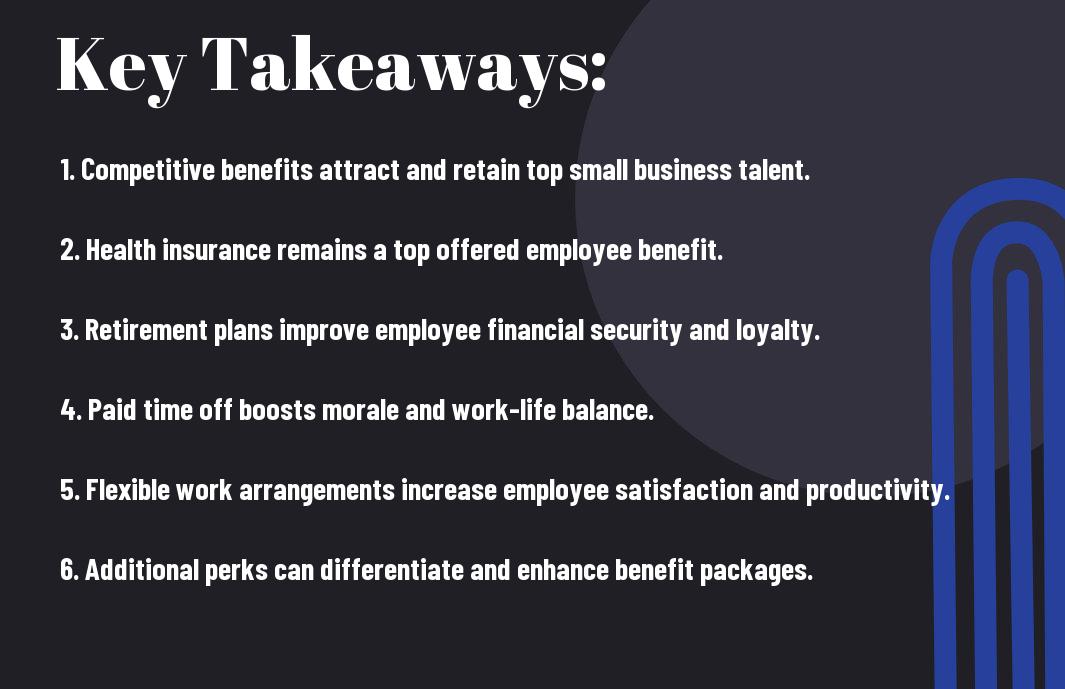

The Strategic Importance of Employee Benefits
Offering a comprehensive employee benefits package shifts your business from merely fulfilling job roles to actively cultivating a motivated and loyal workforce. When employees feel their well-being is supported through benefits like health insurance, retirement plans, or paid time off, their engagement and commitment tend to increase, which directly influences productivity and overall company culture. The competitive landscape, especially for small businesses, is heavily influenced by how thoughtfully you tailor your benefits offerings to your employees’ priorities and needs.
Each benefit you provide sends a message about your values as an employer. By strategically selecting benefits that resonate with your workforce—such as mental health support, flexible schedules, or professional development—you can not only improve employee satisfaction but also foster an environment where innovation and collaboration flourish. This proactive approach helps create long-term advantages that extend beyond immediate compensation, ultimately boosting your company’s growth and resilience.
Enhancing Recruitment and Retention
In today’s job market, salary alone rarely seals the deal for top candidates. Benefits packages have become a defining factor for attracting high-quality talent. You have the opportunity to set your small business apart by offering health insurance, retirement savings options, or even family-friendly policies that many larger employers provide. These offerings send a signal that you invest in your employees’ futures, making your job openings more appealing and reducing the risk of losing candidates to competitors.
Retention is equally impacted by the benefits you provide. Employees who perceive tangible value in their benefits are more likely to stay, reducing costly turnover and the disruption that comes with it. According to the NFIB Research Center’s 2023 survey, only about half of small businesses offered health insurance; improving on this presents you with a clear advantage. Tailoring benefits to your staff’s demographics and preferences ensures you keep your most valuable assets engaged and committed over time.
The Financial Benefits for Employers
While benefits are an investment, the financial returns often offset the upfront costs. Businesses that offer competitive packages typically see lower turnover rates, which translates into significant savings on recruitment, onboarding, and training. For example, replacing an employee can cost anywhere from 30% to 150% of their annual salary depending on the role. Additionally, healthier, more satisfied employees tend to take fewer sick days and demonstrate higher productivity, both of which positively affect your bottom line.
Tax incentives also contribute to the financial upside. Certain employee benefits, like retirement contributions and health insurance premiums, are often tax-deductible expenses. Group health plans can reduce overall insurance costs compared to individual coverage, and wellness programs might qualify for credits or grants in some jurisdictions. These financial advantages encourage you to thoughtfully design benefits packages that align with your company’s fiscal goals and workforce needs.
Exploring the financial impact further, you’ll find that a strategic benefits package is a powerful tool for managing long-term costs related to workforce stability and employee health. Investing in benefits today can lead to decreased absenteeism and higher engagement, which in turn improves productivity metrics and profitability. Considering these factors holistically gives you a clearer picture of how benefits function not just as expenses but as valuable business assets that support sustainable growth.

The Cornerstones of a Compelling Benefits Package
Designing a benefits package that truly resonates means focusing on foundational offerings that address your employees’ most pressing needs. Health coverage and retirement options consistently top the list of what employees value, influencing their decision to stay with or join your company. You can differentiate your business by prioritizing these cornerstones, ensuring your package not only attracts talent but also fosters long-term loyalty.
Striking the right balance between meeting budget constraints and providing meaningful benefits requires data-driven decisions. Industry benchmarks, like the NFIB Research Center’s finding that 56% of small businesses offer health insurance, can guide your choices. Aligning your package with what employees actively seek increases perceived value and ultimately supports your retention and recruitment goals.
Health Insurance: A Non-Negotiable for Employees
Health insurance remains the single most sought-after benefit among employees, with many ranking it even above salary in terms of importance. Providing comprehensive medical, dental, and vision coverage signals that you value your employees’ wellbeing, offering them peace of mind and financial protection against potentially catastrophic health expenses. With the average employer spending over $2,000 monthly per employee on benefits, allocating a portion of that to robust health insurance coverage can yield significant returns through improved productivity and reduced absenteeism.
Given the competitive workforce, small businesses that offer quality health insurance stand out from those that don’t, putting you on more equal footing with larger employers. Leveraging group health plans or partnering with brokers can make these offerings more affordable and customizable, allowing you to tailor coverage levels to match what your workforce values most.
Retirement Plans: Investing in Employee Futures
Offering access to retirement savings options like 401(k) or SIMPLE IRA plans demonstrates your commitment to your employees’ financial futures. These plans not only assist your team in building long-term wealth but also enhance your company’s attractiveness, especially among younger workers who are starting to prioritize retirement security earlier in their careers. Employers who contribute matching funds create an additional incentive, often resulting in higher participation rates and stronger employee engagement.
The availability of retirement plans can also generate positive tax advantages for your business, incentivizing you to adopt or expand offerings. Surveys show that nearly 60% of employees consider retirement benefits a major factor in job satisfaction, underscoring the impact these plans have on both recruitment and retention.
Expanding your retirement benefits might include financial wellness programs or educational resources to help employees make informed investment decisions. Providing these supplementary services enhances the perceived value of your retirement plan and supports your workforce in managing their financial health holistically, ultimately contributing to reduced stress and improved focus on the job.

Employee Perks that Go Beyond Basic Benefits
In addition to traditional benefits like health insurance and retirement plans, modern employees often seek perks that enhance their day-to-day work experience and personal well-being. These perks can create a more engaging workplace atmosphere and boost long-term retention by addressing needs beyond compensation and security. Perks such as wellness programs, professional development opportunities, and social events not only support employee satisfaction but can also improve company culture and productivity.
You can leverage these additional perks to differentiate your small business from others in your industry. By tailoring perks to your workforce’s preferences—whether that means offering access to mental health resources, subsidized gym memberships, or flexible scheduling—you signal that employee wellness matters. This approach encourages loyalty and can reduce costly turnover, ultimately benefiting your bottom line.
Flexible Work Arrangements: The Future of Work-Life Balance
Flexible work arrangements have become a cornerstone of competitive benefits packages, especially as more employees place work-life balance at the top of their priorities. Offering options like remote work, flexible start and end times, or compressed workweeks gives employees the autonomy to structure their days around personal commitments, reducing stress and increasing job satisfaction. Data from recent workforce surveys shows that nearly 70% of employees consider flexible work a key factor when evaluating job opportunities.
Implementing flexible schedules also expands your talent pool, allowing you to recruit from a broader geographic range and accommodate different life stages or responsibilities, such as caregiving. For many small businesses, flexibility can be a cost-effective perk that requires minimal investment but yields substantial returns through increased engagement and reduced absenteeism.
Paid Time Off: The Value of Rest and Recharge
Paid time off (PTO) remains one of the most valued perks for employees, serving as a vital resource for rest, recovery, and personal time. Beyond statutory vacation days, offering generous PTO policies—including sick leave, mental health days, or personal days—can have a pronounced impact on overall employee well-being. Studies have linked adequate time off to reduced burnout and higher productivity, directly benefiting your business.
Providing flexible PTO policies tailored to diverse employee needs also demonstrates a commitment to work-life integration, encouraging a healthier and more motivated workforce. In highly competitive industries, a robust PTO offering can tip the scales in your favor when candidates weigh offers, showing that your company prioritizes sustainable employee success over merely clocking hours.
Expanding paid time off options, such as incorporating unlimited PTO or allowing rollover of unused days, can further enhance your benefits package. These flexible PTO models enable employees to better manage their time off throughout the year, fostering trust and demonstrating that you value their need to maintain balance between work responsibilities and personal rejuvenation.
Emerging Benefits Trends Shaping the Workplace
Employee benefits continue to evolve as business owners recognize the changing needs and expectations of their workforce. Beyond traditional offerings, trends like expanded mental health resources, flexible work arrangements, and technology-driven wellness initiatives are reshaping how benefits support employee engagement and productivity. These shifts reflect a broader understanding that benefits must address holistic wellbeing, not just financial security or insurance coverage.
Adopting emerging benefits trends gives you a competitive edge in attracting top talent and retaining your workforce longer. Integrating these trends thoughtfully can improve company culture and reduce absenteeism while demonstrating your commitment to employees’ overall health and satisfaction. Staying informed about these trends enables you to customize your benefits package to match not only your budget but also what genuinely resonates with your team.
Mental Health Support: Breaking the Stigma
Mental health benefits have gained unprecedented importance in today’s workplace. Offering resources such as Employee Assistance Programs (EAPs), access to licensed therapists, and mental health days shows your employees that their emotional wellbeing is a priority. According to a 2024 survey by the American Psychological Association, over 70% of employees reported that workplace support for mental health positively influences their job satisfaction and loyalty.
You can further break down stigma by normalizing conversations around mental health in your communications and leadership practices. Training managers to recognize signs of mental health struggles and fostering an environment that encourages open dialogue helps employees feel safe seeking help. These efforts not only enhance individual wellbeing but also decrease turnover and health-related productivity losses.
Wellness Programs: Investing in Employee Wellbeing
Wellness programs have evolved from simple gym memberships to comprehensive initiatives that encompass physical, emotional, and financial health. You might integrate offerings such as biometric screenings, nutrition coaching, mindfulness sessions, and incentives for healthy behaviors. Businesses that invest in wellness programs often experience a measurable decrease in healthcare costs and absenteeism, with some studies indicating a return on investment of up to $3 for every $1 spent.
Tailoring wellness initiatives to your workforce’s specific needs increases participation and impact. For example, a company with a younger demographic might focus more on stress management tools and fitness challenges, while an older workforce may value chronic disease management support. Providing a variety of wellness resources allows employees to engage in ways that benefit their unique circumstances, reinforcing a culture of health throughout your organization.
Expanding wellness programs to include digital health platforms and mobile apps can also enhance accessibility and customization. These tools enable employees to track progress, access educational content, and connect with health coaches remotely. Incorporating technology-driven wellness components offers convenience and continuous motivation, helping sustain healthier habits and overall engagement with your benefits package.
Cost Considerations: Balancing Benefits and Budgets
Understanding the Investment in Employee Welfare
Employee benefits represent a substantial portion of your overall compensation expenses, often approaching 30% of total employer costs. With an average of $13.04 per hour spent by private industry employers on benefits, the monthly expenditure can reach around $2,300 for a full-time employee. This investment, while significant, directly ties into not only attracting high-quality candidates but also boosting retention rates and reducing turnover-related costs, which can be far more expensive in the long run. Prioritizing benefits that align with your workforce’s priorities ensures that each dollar spent yields maximum value in terms of employee satisfaction and productivity.
Allocating your budget effectively requires balancing mandatory offerings, like health insurance, with more flexible options that resonate with your employees’ unique needs. You might find that benefits such as retirement plans or wellness programs, although potentially less costly upfront, can generate substantial returns by enhancing employee engagement and reducing absenteeism. The key is to view benefits not just as expenses, but as strategic investments in your company’s human capital.
Strategies for Managing Benefits Costs Effectively
Negotiating group rates through bulk or association plans can significantly reduce per-employee costs for health insurance and other benefits. Partnering with a benefits provider or broker experienced in small business needs can uncover tailored options that offer comprehensive coverage without excessive premiums. Additionally, offering a cafeteria-style benefits package allows employees to select benefits most relevant to them, which can avoid paying for underutilized services.
Regularly reviewing plan utilization and benchmarking against industry standards helps you identify costly benefits that may no longer provide adequate value. Incorporating wellness initiatives that encourage healthier lifestyles can lower long-term claims and medical expenses. Another effective approach includes staggering benefit enrollment periods or implementing tiered plans that offer different coverage levels based on tenure or position.
Implementing cost-control measures such as telemedicine services or incentivizing preventive care reduces costly emergency visits and chronic condition management. Small businesses that embrace flexible benefits, combined with ongoing communication about plan options, empower employees to make cost-conscious decisions that benefit both their wellbeing and your bottom line.
To wrap up
Conclusively, offering the top 10 employee benefits allows you to create a competitive and attractive benefits package that can significantly enhance your ability to recruit and retain talented individuals. By aligning your benefits with what employees value most, you not only address their needs for financial security and well-being but also foster a positive workplace culture that supports productivity and loyalty.
As a business owner, investing in these key benefits demonstrates your commitment to your workforce and positions your company favorably within the job market. Carefully considering your budget and strategy will help you implement a benefits package that meets both your business objectives and your employees’ expectations, making your company a desirable place to work.
Leave a Comment